Globalgeschichte
LectureNature’s Memory: Natural history museums, colonial legacies, and saving the worldby Jack Ashby (University Museum of Zoology, Cambridge)
8. Mai 2026, von Marianne Weis-Elsner

Foto: Smithsonian Institution‘s Museum Support Center (CC0)
Wednesday, 3 June 2026 | 6:00-8:00 p.m.
Phil-Turm, Von-Melle-Park 6, 20146 Hamburg, room Phil A 8006 (8th floor) and online via Zoom
Natural history museums are starting to make progress in understanding difficult questions about their own histories and practices. In this talk, Jack Ashby will share broad ideas stemming from research into the colonial histories of specimens in natural history museums – with particular emphasis on Australian mammals – exploring different kinds of injustice involved in their acquisition. This will include collections made by members of the military whilst administrating wartime concentration camps; specimens that were exported alongside Indigenous remains following acts of genocide; and collections amassed using unacknowledged Aboriginal labour in a post-frontier landscape after Indigenous populations had been dispossessed of their land and/or sovereignty.
Yet there are also other stories – it is also just starting to be understood that their vast collections are indispensable resources in the fight against biodiversity loss and climate catastrophe. From herbaria aiding in the restoration of habitats after Australia’s catastrophic Black Summer bushfires of 2019-20, to the discovery of populations of surviving critically endangered molluscs by following museum records, there is huge power in our specimens. As well as asking how they really come together, we can also show how they can help save the world.
Bio
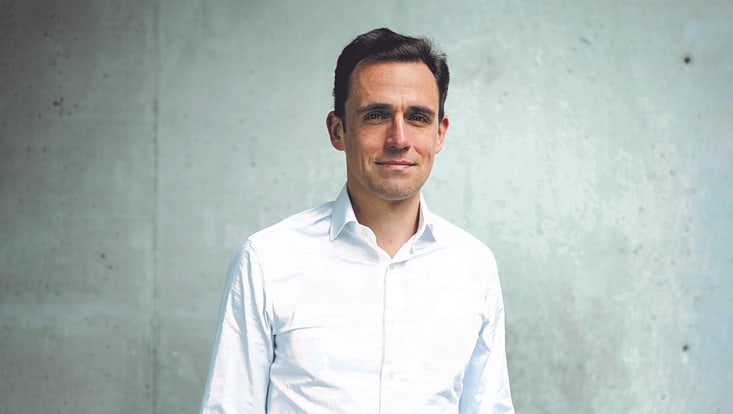
Jack Ashby is the Assistant Director of the University Museum of Zoology, Cambridge. His zoological focus is the mammals of Australia, but his work more broadly explores the biases influencing how nature is presented to the world, particularly through museums and their colonial legacies. His books, Nature's Memory: Behind the Scenes at the World’s Natural History Museums, Platypus Matters: The Extraordinary Story of Australian Mammals and Animal Kingdom: A Natural History in 100 Objects combine these scientific and social stories.
The event is part of the Lecture series of the project World Order Narratives of the Global South (WONAGO) led by the University of Hamburg and the German Institute for Global and Area Studies.
For online participation, please register on the WONAGO Lecture Series website.